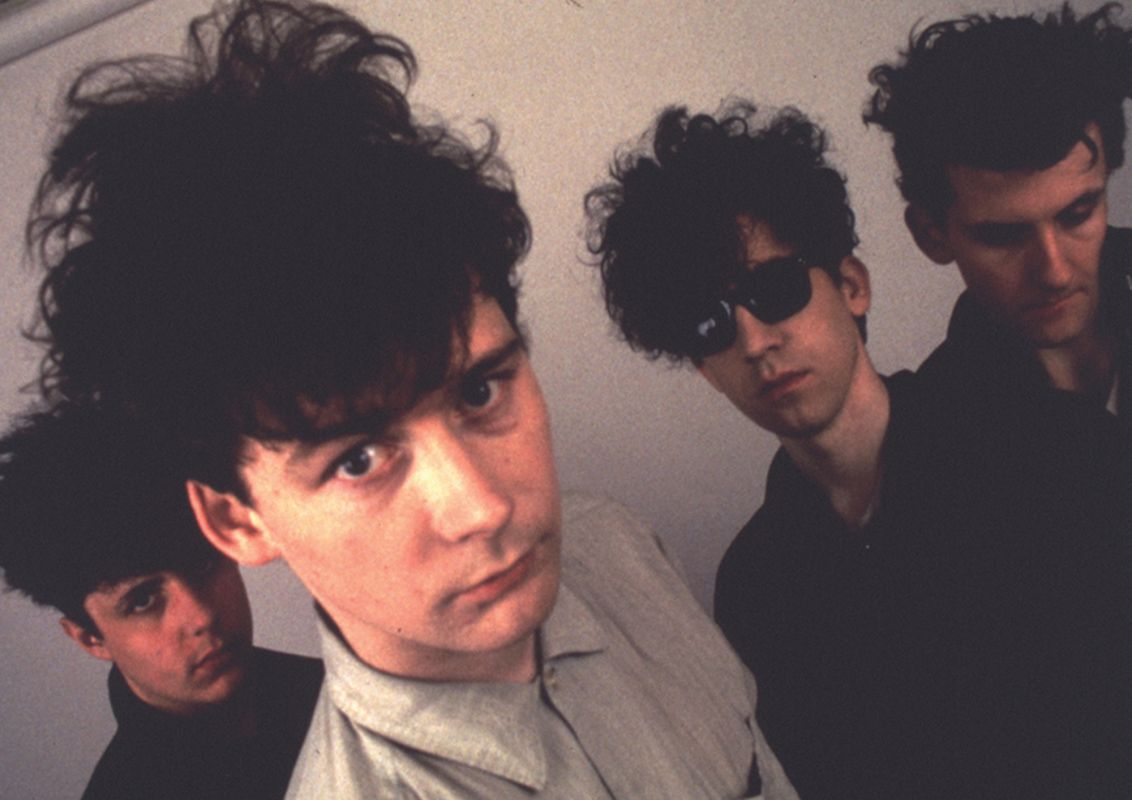
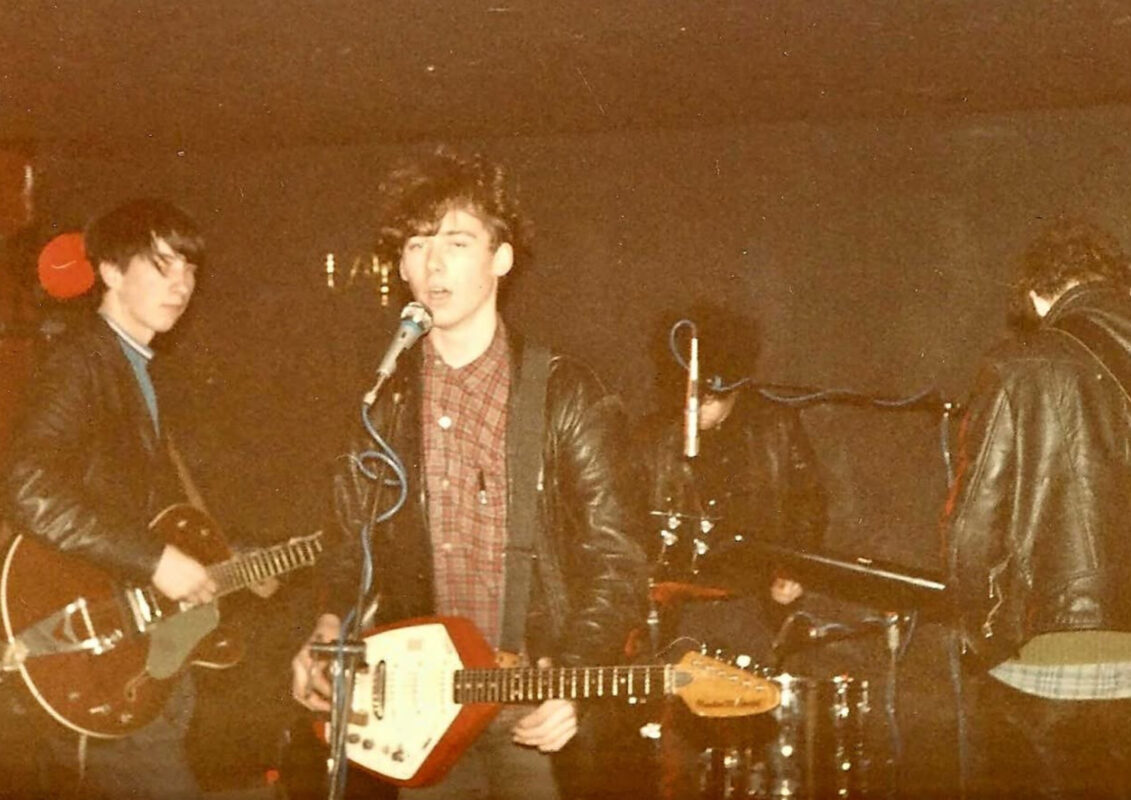
This month in 1989, the Jesus and Mary Chain released the hypnotic, metronomic-motorik single “Head On.”
In the late 1980s, The Jesus and Mary Chain faced two vastly different musical cultures. The British music press treated JAMC like dinosaurs from yesteryear (Melody Maker putting JAMC on its cover with the headline “The Jesus and Mary Chain—RIP?”), but American ears appreciated their evolving sound. “Head On” climbed all the way to No. 2 on the Billboard Modern Rock Tracks chart.

In the United Kingdom, critics and purists rejected the band’s use of drum machines on “Head On,” chasing the emerging Madchester/Baggy scene instead. In contrast, American college radio embraced their driving melodies, and “Head On” became a massive alternative rock hit.
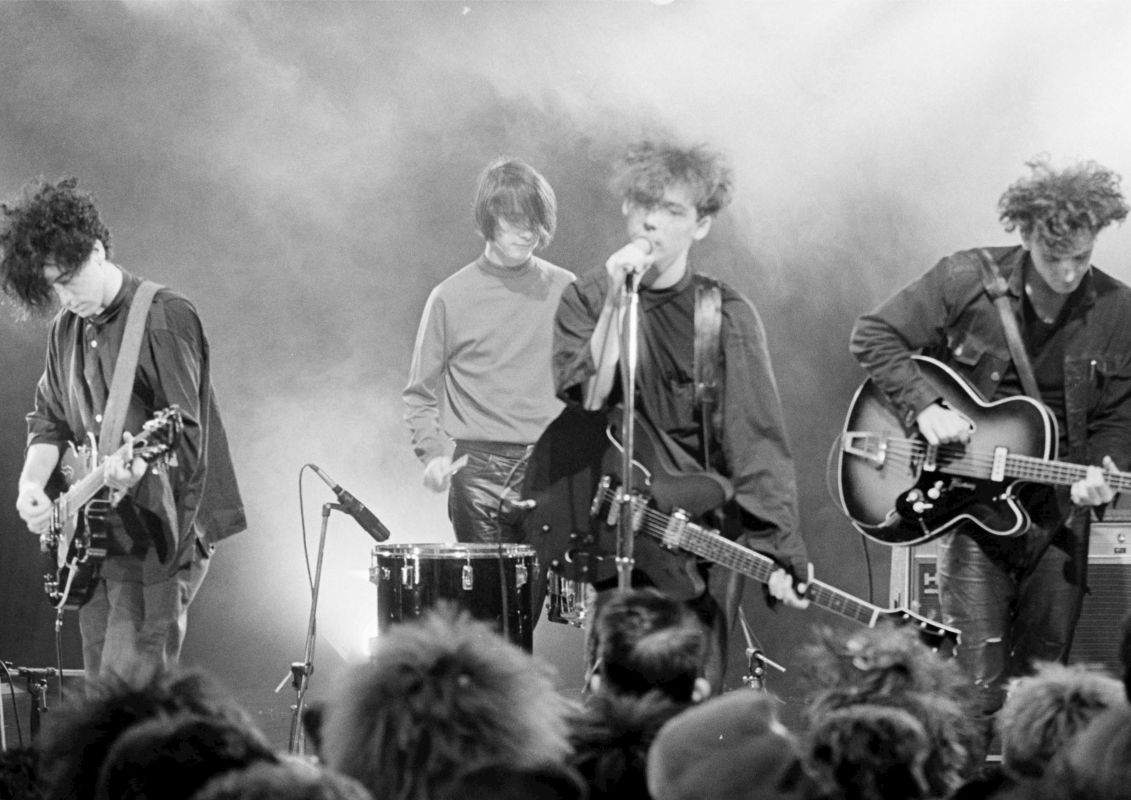
This American devotion translated directly to the live stage. Following their chaotic United States debut in 1985, American concertgoers steadily packed clubs and theaters to hear the group’s blend of feedback, sweet pop melodies, and cool detachment.
By 1992, their tremendous US appeal earned them a main-stage invitation to Lollapalooza. The tour placed the veteran shoegaze outfit alongside rising American grunge and alternative metal icons like Pearl Jam, Soundgarden, and the Red Hot Chili Peppers.
However, the response at Lollapalooza showed a sharp cultural gap. Scheduled immediately after Pearl Jam’s explosive, athletic set, the Mary Chain stood completely motionless in the harsh afternoon sun, leaving the adrenaline-fueled crowd cold and confused.
Instead of inciting cheers, their stoic posture dispersed the mosh pits as fans wandered away. Although the Reid brothers felt awkward under the daylight, the tour proved that America offered them a sustained arena-level platform their temperamental birthplace had denied.
💧 You might also like THE JESUS & MARY CHAIN: PSYCHOCANDY.
By 1992, their tremendous US appeal earned them a main-stage invitation to Lollapalooza. The tour placed the veteran shoegaze outfit alongside rising American grunge and alternative metal icons like Pearl Jam, Soundgarden, and the Red Hot Chili Peppers.
However, the response at Lollapalooza showed a sharp cultural gap. Scheduled immediately after Pearl Jam’s explosive, athletic set, the Mary Chain stood completely motionless in the harsh afternoon sun, leaving the adrenaline-fueled crowd cold and confused.
Instead of inciting cheers, their stoic posture dispersed the mosh pits as fans wandered away. Although the Reid brothers felt awkward under the daylight, the tour proved that America offered them a sustained arena-level platform their temperamental birthplace had denied.