Blantika | Linimasa: Musik Bali yang Menyimpang

Sebagaimana kota-kota atau pun pulau-pulau lainnya di Indonesia, Bali punya keunikan dan sejarahnya yang tersendiri (sebutlah agama dan kepercayaan, adat istiadat, pesona alam dan ragam pantai, tempat tujuan turis yang mahsyur, hingga peristiwa Bom Bali) yang menjadikan musik non-tradisional di sana tercipta dan menyebar dengan cara-caranya—berpadu dengan hal-hal global seperti teknologi membuat musik, politik dan pembajakan musik Indonesia, trend musik dunia dan MTV, juga internet—hingga menampakkan ciri-ciri khasnya yang memberikan keberagaman pada musik Nasional dan dunia. Buku ini mencatatnya dengan gaya yang telanjang, membeberkannya lugas dan menyeluruh. Jelas bukan sedang berlebihan mengagungkan kedaerahan belaka, kita tahu penggagas buku Rudolf Dethu terlalu keren untuk terjebak di situ.


cogitaINTIMA: Blantika | Linimasa

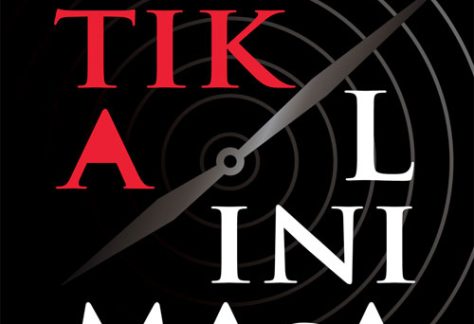
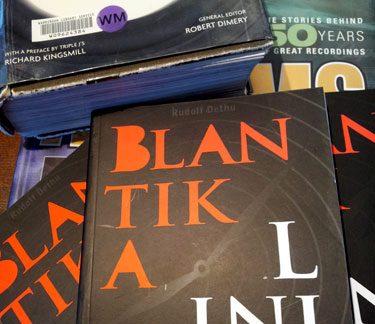
“Ini dokumentasiku. Mana dokumentasimu?!” Demikian Rudolf Dethu berseru dengan angkuh, dalam bukunya yang berjudul “BLANTIKA | LINIMASA: Kaleidoskop Musik Non-Trad Bali”. Barangkali, sambil menenggak segelas Jim Beam.

Tapi ada benarnya juga. Dokumentasi musik Indonesia memang sangat minim, jika tidak mau disebut nyaris nihil. Bangsa ini, yang belakangan semakin kelihatan cerewet di ranah media sosial, ternyata masih terus mewarisi kebodohan nenek moyangnya: enggan menuliskan sejarah. Padahal, seperti yang juga ditulis Rudolf Dethu dalam buku ini, sejarah milik orang yang menulis.

Dalam 111 halamannya, “Blantika | Linimasa” mengisahkan perjalanan musik non-tradisional Bali periode 1960-2000. Lengkap tertuang di dalamnya adalah kisah perubahan corak musik yang digemari masyarakat Bali, pergantian musisi yang jadi idola di setiap era, dan bagaimana insan bisnis musik Bali menyikapi itu semua.

Sangat menarik, setidaknya bagi saya yang memang buta soal sejarah musik Bali (bukan berarti saya tidak sama butanya soal sejarah musik Indonesia), membaca bahwa orang Bali ternyata sangat menggemari musik pop Mandarin yang mendayu-dayu. Tak kurang dari dua dekade lamanya, dari awal ’80-an hingga akhir ’90-an musik Bali dikuasai oleh dua sosok penting pengusung aliran ini: Yong Sagita dan Widi Widiana.

Sampai kemudian hadir Lolot, band rock yang menyanyikan lagu-lagu keras berbahasa Bali…


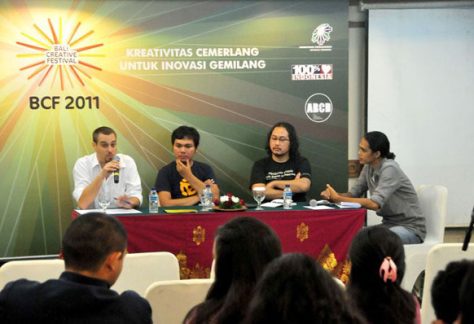
Gerakan Itu Bernama Bali Creative Festival

Bali Creative Festival adalah upaya untuk membawa Bali ke masa depan. Saya hanya menduga bahwa upaya tersebut adalah untuk mempersiapkan Bali untuk masuk ke sebuah masa post-exoticism di mana turis datang ke Bali tidak hanya untuk pantai indah, souvenir murah, upacara adat serta budaya tradisional semata. Dan jika itu adalah alasannya, banyak kota lain di Indonesia selayaknya harus memiliki festival-festival kreatif semacam ini. Dan jika negara tidak bisa membantu membidani lahirnya industri kreatif paling tidak mereka bisa mendukung acara semacam ini di banyak daerah. Itu lebih dari cukup.


Dethu and His Non-Traditional Music Bible

A new book telling the story of non-traditional music in Bali over the past four decades was released and launched at Antiba Arts in Sanur last weekend. The book called Blantika | Linimasa (Scene | Timeline) is curated and edited by local rock ‘n’ roll luminary, long-time beat magazine contributor and former Superman is Dead manager, Rudolf Dethu.

It’s written in Bahasa by a group of writers; Alfred Pacifico Ginting, Anton Muhajair, Gede Roby Supriyanto and Dethu, and looks into the way that pop, rock and every other modern music form, outside the traditional Balinese music sphere, has evolved on the island. There have been many highs and lows on the way to where local music finds itself now but has it actually made it all the way?


Book on Balinese Music Launched

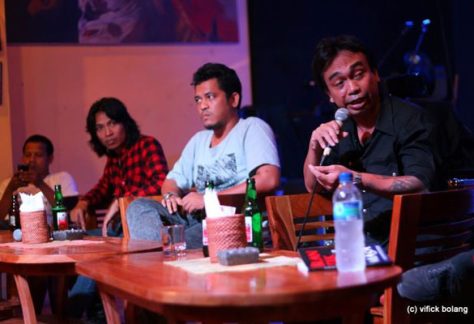
Dozens of Balinese performers of various music genres gathered at the Serambi Arts Antida studio on Saturday night to celebrate the launch of a book on the journey of non-traditional music from Bali over the last decades.

Launched by the Bali Creative Community (BCC), the book, titled Blantika Linimasa, Kaleidoskop Musik Non-Trad Bali, was initiated by Rudolf Dethu and several writers. The book is said to be the first document that comprehensively records the progress of Balinese music.

“There are not many documents on Balinese music. We have lost a lot of history; the current generation doesn’t know about the struggle of their previous generations in the musical industry,” said Jimmy Sila’a, a famous music arranger from the 1980s.


Indonesia’s Punk, Just Not Young

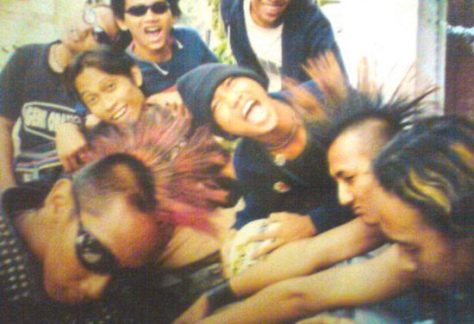
What is punk rock? Is it colored, spiky hair held up by glue? Is it abrasive three chord rock ’n’ roll played at breakneck speed? Is it leather pants, pierced noses and discordant noise atop irate, socially conscious lyrics? Or is it something much more, a symbol of an independent mind frame that goes beyond all of these stereotypes?


Bar Luna Lit Club - Meet Bali’s Activists

・Tuesday 31 May 8 PM
Gendo – Political/Environmental Activist
in conversation with Kartika Jahja

He will be speaking about controversial environmental issues including the impact of tourism on Bali.

・ Wednesday 1 June 8 PM
David Berman – Communications Designer & UN Advisor

He will discuss the role of designers in a changing world, focusing on ‘What role will design and designers play in delivering a positive future?’

・ Thursday 2 June 8 PM
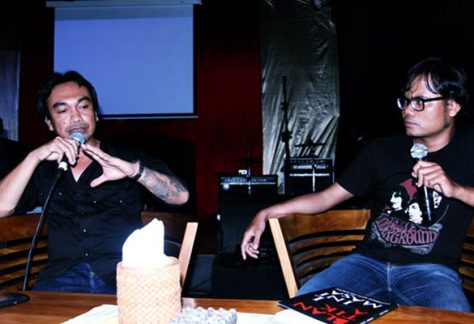
Rudolf Dethu – Musical Activist
in conversation with Robi Navicula
+ acoustic set after the discussion with Robi and Dankie featuring Belinda Kazanci

I will be speaking about the Indonesian youth music scene and how Bali fits into this scene.


Rudolf Dethu: Devoted to Music

by: Trisha Sertori

Rudolf Dethu loves music. This man who does not play an instrument breathes sound like the rest of us depend for life on oxygen. The sounds people create are what give him life.

“Since I was a kid I’ve been interested in music,” says Dethu in understatement of his passion. He was born 42 years ago, he says with an ear for music, popular culture and new directions that drew him to start a bunch of bands that were not mainstream, breaking fertile ground in the process.

‘I started many bands. The first was around 1988. That was a cover band. It was a small start in music, but I felt drawn to music even though I could not play an instrument. I saw I could convince people of which were the good bands and other people started listening too,” says Dethu, most widely known as first manager of punk band, Superman is Dead.

Read more


The Block Rockin’ Beats: Momentum Budaya Tandingan

Tulisan ini sejatinya adalah karya Felix Dass berjudul “Dethu dan Program Radio Bali The Block Rockin’ Beats” serta tayang pertama kali di jakartabeat.net pada 29 September 2010. Jakartabeat.net kebetulan memang sedang membahas radio-radio di seluruh Nusantara yang mendedikasi diri khusus untuk rock and roll.

Selain saya ubah tajuknya, artikel ini juga saya sedikit improvisasi dengan menambahkan beberapa gambar pendukung.


OneDollarForMusic at Live Encounters

by Mark Ulyseas

Bali is inundated with Yayasans (charities) ranging from free eye operations, education, recycling to animal shelters. A number of these Yayasans are doing good work and have made a positive impact on island life. One such organisation is Onedollarformusic, the brainchild of Raoul Thomas Augustine Maria Wijffels a Dutch national residing in Bali.

When I first came across this organisation I assumed it was another scheme to make money off unsuspecting bleeding hearts with a conscience that continually beseeches them to ‘contribute’ to ‘causes’. However, after meeting Raoul (who has over 20 years experience in music, arts, education and management including working as a teacher and music pedagogue at the Conservatories of Amsterdam, Utrecht and Rotterdam) and the Indonesian chairman Rudolf Dethu, it became apparent that this is an organisation that has the potential of becoming a major force in the creative and economic development of young potential musicians across the Indonesian archipelago.


designed by: Saylow